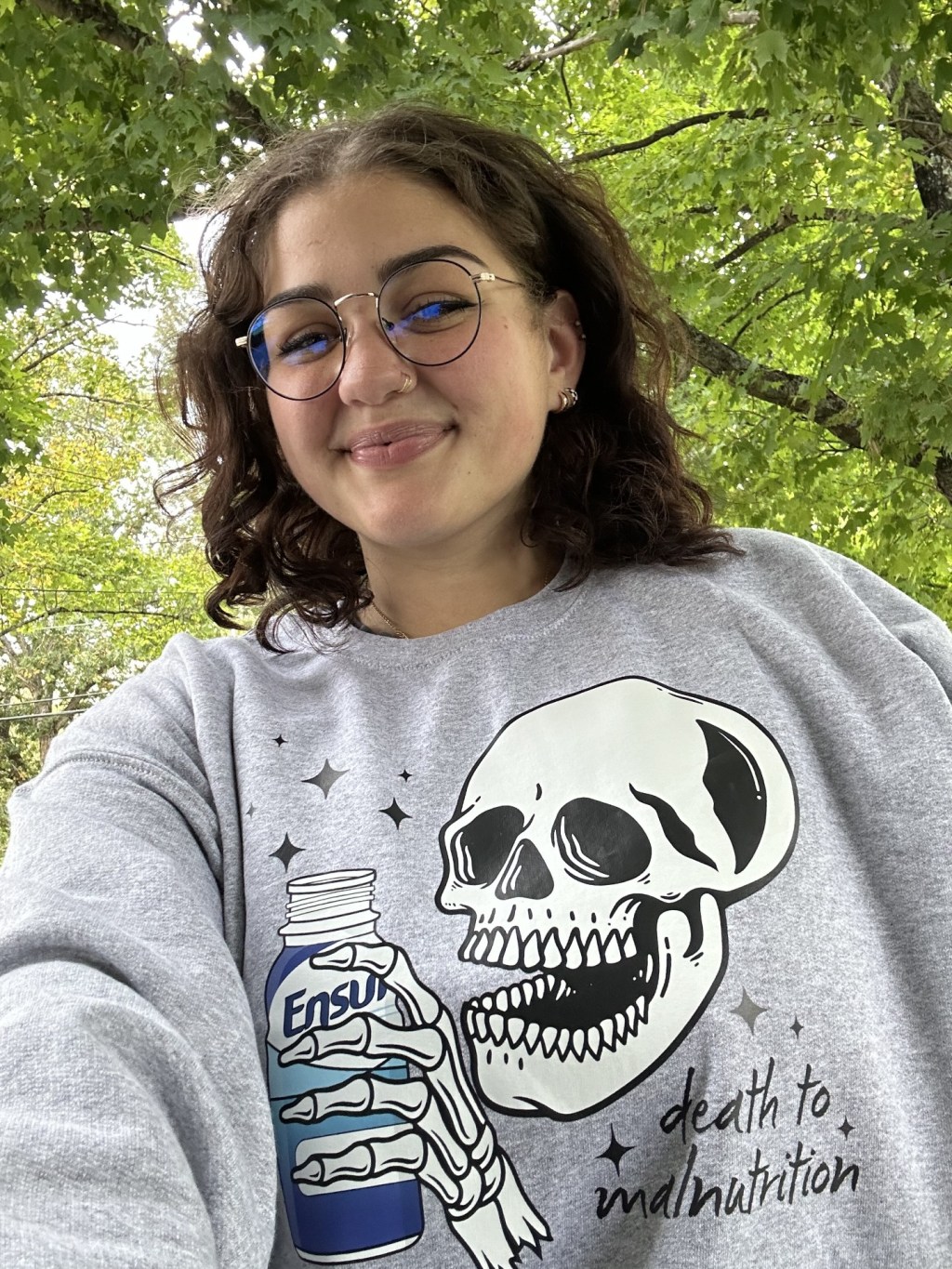

A Day in the Life of a Clinical Dietitian: Balancing Science and Compassion
As a clinical dietitian, no two days are exactly the same. Every morning brings new challenges, new patients, and new opportunities to make a difference in someone’s health. While many people think of dietitians as simply handing out meal plans ( I DON’T MAKE MEAL PLANS!!) or telling people what to eat, my role is much more dynamic and multifaceted than that. My job is to apply nutrition science to help people manage medical conditions, improve health outcomes, and live their best lives. Here’s a look at what a typical day in my life as a clinical dietitian might look like.
8:30 AM – The Morning Routine
There’s always a lot to get through, especially when you’re part of a healthcare team working together to make sure patients are getting the best care possible. The first thing I do when I arrive at work is review my patient list and charts for the day. I’m working in a hospital, so it’s important to have a clear picture of each patient’s medical history, lab results, and nutritional needs before I meet with them.
“Nutrition isn’t just about food; it’s about how food interacts with the body, how it impacts disease progression, and how it can support healing.” This is the mindset that guides me as I prepare for my day.
9:30 AM – Morning Assessments
Some of the key areas I focus on Assessments include:
- Malnutrition: Many hospitalized patients are at risk of malnutrition due to illness, surgery, or treatments that affect appetite and digestion.
- Enteral or Parenteral Nutrition: Some patients may require a feeding tube or IV nutrition support, and it’s up to me to calculate the right nutrition formulation to help them heal.
- Disease-Specific Diets: For patients with chronic conditions like diabetes, kidney disease, or cardiovascular disease, creating a tailored meal plan is essential to managing their health.
I also meet with patients and their families, explaining how nutrition plays a role in recovery and giving them practical tips for managing their diet both in the hospital and when they go home.
Every patient is unique, and that’s what I love about my job. I get to use my expertise to create personalized nutrition plans that fit each person’s medical needs, preferences, and lifestyle. These sessions require a lot of listening and empathy. I’m not just providing advice; I’m building a relationship of trust, offering support, and helping patients feel empowered to take control of their health.
12:30-1 PM – Lunchtime (but it’s not a break just yet!)
Lunch is often a little later for me, but it’s still a busy time. This is when I typically catch up on administrative tasks like patient documentation, reviewing lab results, or collaborating with other departments, like food services or the pharmacy team. In the hospital, for example, I might need to check in with food service staff to ensure that patients are receiving meals that meet their nutritional requirements.
I also use this time to review menus and make sure that everything is in line with dietary guidelines. If I’m working with a patient who needs a specialized diet, I might make adjustments to their meal plan to make sure they’re getting exactly what they need to support their recovery.
2:00 PM – Clinical Consultations
In the afternoon, my schedule is filled with more in-depth consultations. This could mean meeting with patients who are managing chronic conditions like hypertension, obesity, or kidney disease, or those who have recently undergone surgery. For some, the focus might be on managing symptoms, while for others, it’s about improving long-term health outcomes through nutrition.
For example, I might work with someone recovering from bariatric surgery to help them adjust to new eating habits, ensure they’re getting enough protein, and recommend vitamin supplements. With other patients, like those with eating disorders, I work closely with a team of doctors and therapists to develop a treatment plan that addresses both their physical and mental health needs.
The goal during these consultations isn’t just to provide advice—it’s to understand each patient’s unique situation, collaborate with other healthcare providers, and create a plan that will help them meet their nutritional goals.
4:00 PM – Continuing Education and Research
Being a dietitian means I can never stop learning. Nutrition science is always evolving, so I dedicate some time each day to reading new research, attending webinars, or reviewing updated guidelines that impact my practice. Continuing education ensures that I’m providing the most up-to-date and evidence-based recommendations to my patients.
I’m working in a hospital; so, I am also involved in research. Currently the RD team is looking at streamlining the allergen process to help the food staff and nurses be able to effectively communicate when it comes to food and or drug related allergies. This is super important to the patients’ health, obviously so that no patient get a food that they might be allergic to. Our system is currently not properly identifying allergens that are in patient charts, so I am helping to improve this outcome!
5:30 PM – Wrapping Up the Day
As the day winds down, I spend some time wrapping up loose ends. This might include following up with patients, reviewing lab results, or making sure everything is in place for the next day. I also take a moment to reflect on the day’s patient interactions—what went well, what could be improved, and how I can better support my patients going forward.
For clinical dietitians like me, our work doesn’t always end when the clock strikes 5:00 PM. Many of us think about our patients even after we leave the office—whether it’s brainstorming new meal ideas, adjusting nutrition plans, or researching new treatments. The role is demanding, but the satisfaction of knowing I’ve made a difference in someone’s health is worth every moment.
In Conclusion
Being a clinical dietitian is not just about telling people what to eat; it’s about combining nutrition science with compassionate care to improve patients’ lives. Whether an RD is working in a hospital, outpatient clinic, or long-term care facility, the RD’s role is about supporting people on their journey to better health. It requires knowledge, empathy, and a genuine commitment to making a positive difference—one patient at a time.






 Full on Faith
Leave a reply to Julianne Hensley Cancel reply