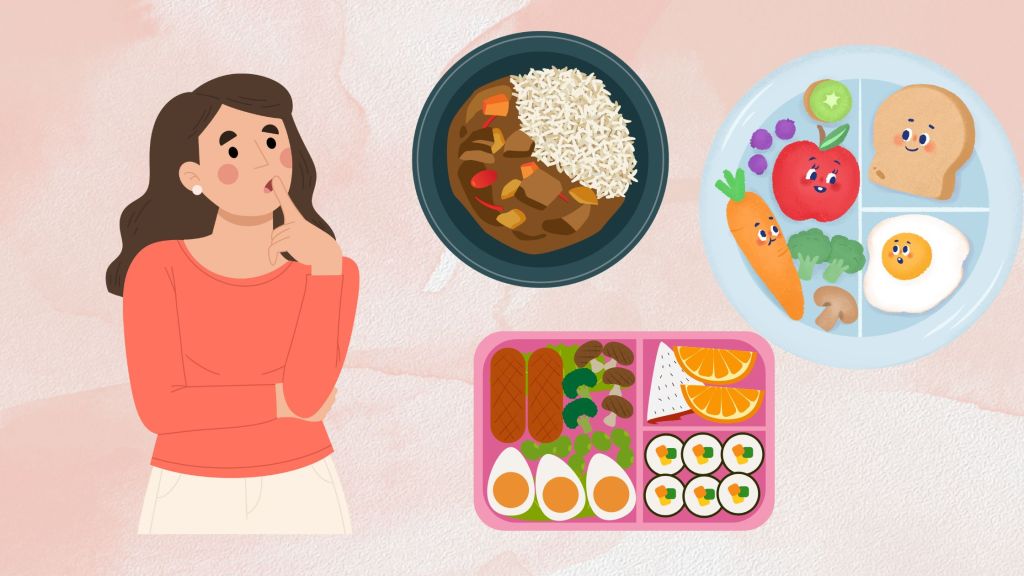
Keeping your blood sugar steady isn’t just important for people with diabetes — it’s something everyone can benefit from.
Stable blood sugar levels mean more consistent energy, better mood, fewer cravings, and overall better health. The best part?
You don’t have to follow a complicated diet or give up your favorite foods. It’s all about building balanced meals that help your body thrive.
Here’s how you can start — in simple, sustainable ways.
1. Focus on the Big Three: Protein, Fiber, and Healthy Fats
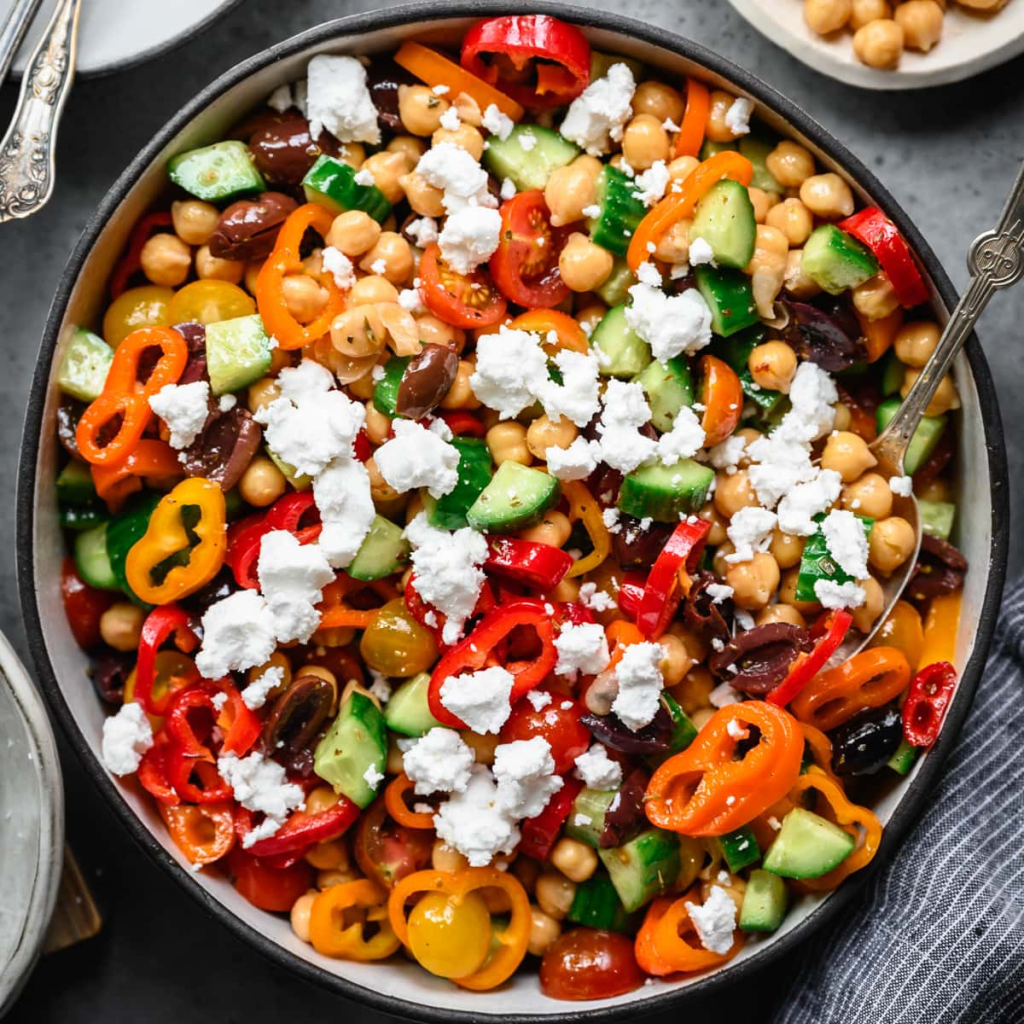
A balanced plate is your best defense against blood sugar spikes and crashes.
Each meal should ideally include:
- Protein: Helps slow down digestion and keeps you feeling full.
Think: chicken, fish, eggs, Greek yogurt, tofu, beans. - Fiber: Slows the absorption of sugar into your bloodstream.
Think: veggies, fruits, whole grains, legumes, nuts, seeds. - Healthy Fats: Also slow digestion and help you feel satisfied.
Think: avocado, olive oil, nuts, seeds, fatty fish, nuts and seeds.
Tip:
When planning a meal, ask yourself: “Where’s my protein, fiber, and healthy fat?” If you can spot all three, you’re off to a great start!
2. Don’t Skip Carbs — Choose the Right Ones
Carbs often get a bad rap when it comes to blood sugar, but they’re actually an important part of a healthy diet.
The key is to focus on quality over quantity.
Better carb choices:
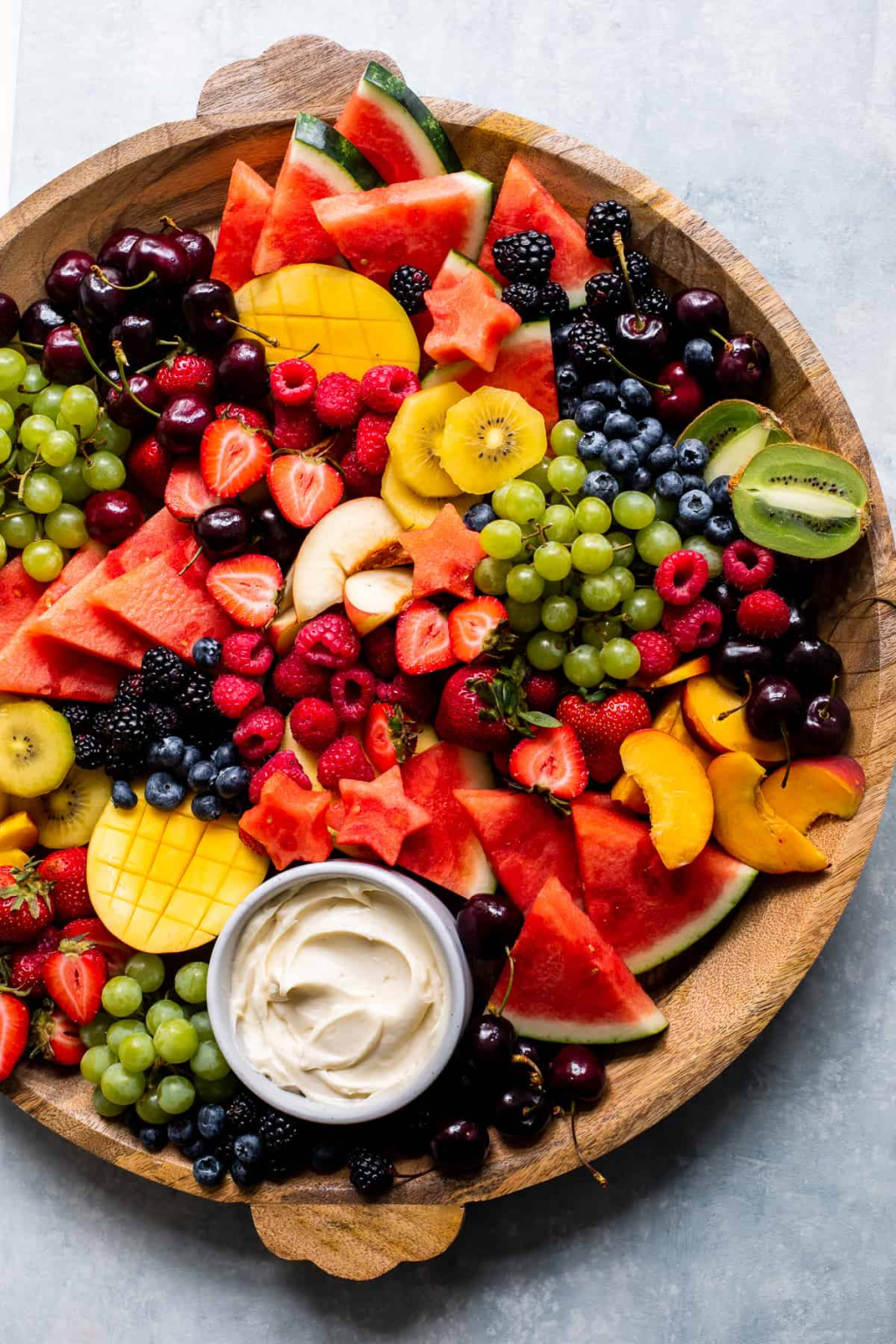
- Whole fruits (instead of juices)
- Whole grains like quinoa, brown rice, oats
- Sweet potatoes
- Beans and lentils
Pairing carbs with protein and fat (instead of eating them alone) helps blunt the blood sugar spike.
Example: Instead of just a banana for a snack, have a banana with a handful of almonds.
3. Watch Your Portion Sizes — But Don’t Obsess
You don’t need to weigh and measure every bite. A simple visual guide can help:
- Half your plate: non-starchy veggies (like leafy greens, broccoli, peppers)
- Quarter of your plate: lean protein
- Quarter of your plate: healthy carbs (like quinoa or sweet potato)
- Add a little healthy fat (like olive oil dressing or some avocado)

Tip: Listening to your hunger and fullness cues is just as important as what’s on your plate!
4. Be Smart with Beverages
What you drink can impact your blood sugar just as much as what you eat.
Sodas, sweet teas, fancy coffee drinks, and even “healthy” smoothies can sneak in more sugar than you think.
Better drink choices:
- Water (add lemon, cucumber, or mint for flavor) even flavor packets sometimes are ok!
- Unsweetened herbal tea (add an equal/splenda we like it sweet around here)
- Sparkling water (the Walmart Clear choice brand specifically the Cherry Lime is AMAZING)
- Black coffee or coffee with minimal added sugar ( always add one tablespoon of sugared creamer)
Tip: If you love a sweet coffee, try asking for fewer pumps of syrup, or switching to a smaller size.
5. Stay Consistent with Meal Timing
Going too long without eating can cause your blood sugar to dip, leading to low energy, mood swings, and cravings for quick sugar fixes.
On the flip side, constant grazing can keep your blood sugar elevated all day.
Aim for:
- Regular meals every 3–5 hours
- Balanced snacks if needed (especially between longer gaps)
Snack ideas:
- A hard-boiled egg and a few berries
- Hummus and veggie sticks
- Cheese stick and whole-grain crackers
Final Thoughts
Balancing your blood sugar doesn’t mean being perfect — it’s about building habits that support your body over time.
By putting together meals with protein, fiber, healthy fats, and smart carbs, you’re setting yourself up for more energy, fewer cravings, and better health.
And remember: progress over perfection, always. 💛
Small steps really add up — and every meal is a fresh opportunity to nourish yourself!
Bye Besties,
Julianne




 Full on Faith
Leave a comment