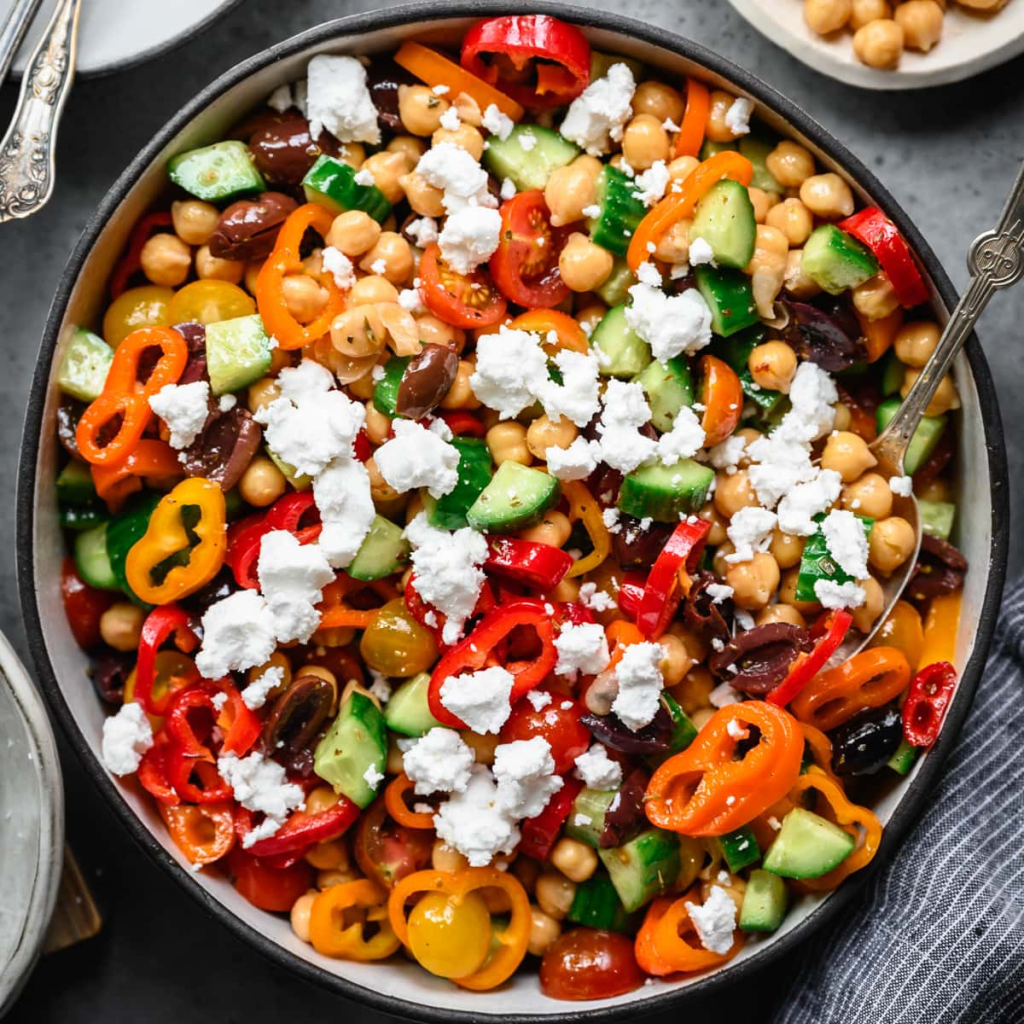
What is the Mediterranean diet? Rooted in the traditional eating habits of countries bordering the Mediterranean Sea—such as Greece, Italy, and Spain—this diet is more than just a way of eating; it’s a lifestyle that’s been linked to longevity, vitality, and disease prevention.
What makes the Mediterranean Diet so special? It emphasizes fresh, whole foods, balanced meals, and sustainable eating practices. Plus, it’s incredibly flavorful, incorporating healthy fats, herbs, and fresh vegetables in a way that celebrates food as part of everyday life. Let’s dive into what the Mediterranean Diet really is, its profound health benefits, and how it fits into the concept of Blue Zones, areas where people live longer, healthier lives.
What is the Mediterranean Diet?
The Mediterranean Diet isn’t about restrictive rules or counting calories—it’s a way of living and eating that focuses on whole, nutrient-dense foods. Key components of the Mediterranean Diet include:
- Fruits and vegetables: A colorful variety of fruits and vegetables takes center stage, providing vitamins, minerals, fiber, and antioxidants.
- Whole grains: Foods like quinoa, brown rice, whole-wheat bread, and pasta provide complex carbohydrates and fiber, supporting digestive health and keeping you full.
- Healthy fats: Olive oil is the star of this diet, known for its heart-healthy monounsaturated fats. Other sources of healthy fat include nuts, seeds, and avocados.
- Lean proteins: Fish and seafood, particularly fatty fish like salmon, sardines, and mackerel, provide omega-3 fatty acids that are essential for brain and heart health. Poultry, legumes (such as beans and lentils), and occasional dairy also contribute to protein intake.
- Herbs and spices: The Mediterranean Diet relies heavily on fresh herbs and spices like garlic, basil, oregano, rosemary, and cinnamon, adding both flavor and health-boosting properties without the need for excessive salt.
- Moderate dairy: Dairy, primarily in the form of cheese and yogurt, is consumed in moderation and offers calcium, probiotics, and protein.
The focus is on fresh, local ingredients that are easy to prepare and eat in moderation. It’s a lifestyle that also promotes socializing around meals, emphasizing the importance of enjoying food in the company of others, which adds another layer of well-being.
Health Benefits of the Mediterranean Diet
- Heart Health: The Mediterranean Diet is often referred to as one of the best diets for heart health. The high intake of omega-3 fatty acids from fish, healthy monounsaturated fats from olive oil, and fiber from whole grains and vegetables all contribute to better cardiovascular health. Studies have shown that this diet can help lower LDL (bad) cholesterol levels, reduce blood pressure, and improve overall heart function.
- Weight Management: The Mediterranean Diet doesn’t involve extreme calorie restriction or food deprivation. Instead, it focuses on balanced meals rich in fiber, protein, and healthy fats that naturally curb hunger and prevent overeating. People following this diet tend to have lower rates of obesity and are more successful at maintaining a healthy weight.
- Brain Health: The Mediterranean Diet is packed with brain-boosting nutrients, particularly from omega-3-rich fish, antioxidants from fruits and vegetables, and healthy fats. These nutrients help protect the brain from inflammation, oxidative stress, and age-related decline. In fact, studies show that people who follow the Mediterranean Diet are at a lower risk for cognitive decline and Alzheimer’s disease.
- Improved Blood Sugar Control: The Mediterranean Diet is naturally low in processed foods and refined sugars, making it a great choice for managing blood sugar levels. The high fiber content from fruits, vegetables, and whole grains helps regulate blood sugar, improve insulin sensitivity, and lower the risk of developing type 2 diabetes.
- Reduced Inflammation: Chronic inflammation is at the root of many diseases, including heart disease, diabetes, and cancer. The Mediterranean Diet, rich in anti-inflammatory foods like olive oil, nuts, and fatty fish, helps lower inflammation in the body, which may reduce the risk of these chronic diseases.
- Longevity: A number of studies, including research on Blue Zones (regions where people live significantly longer lives), show that those who follow the Mediterranean Diet tend to live longer, healthier lives, with lower rates of chronic disease.
The Blue Zones: Where Longevity Meets the Mediterranean Diet
The concept of Blue Zones refers to regions around the world where people consistently live longer and healthier lives, often reaching 100 years or more. These areas share common lifestyle and dietary characteristics, and one of the key similarities is their adoption of the Mediterranean-style diet. Blue Zones include:
- Ikaria, Greece: An island in the Aegean Sea where locals have a high rate of centenarians. They follow a Mediterranean-style diet rich in vegetables, legumes, olive oil, and wine in moderation.
- Sardinia, Italy: Known for having the highest number of male centenarians in the world. Sardinians eat a plant-based diet, with a focus on whole grains, vegetables, and a small amount of meat, particularly lamb.
- Okinawa, Japan: While not strictly Mediterranean, Okinawans share some similar principles, such as high consumption of vegetables and legumes (like sweet potatoes and soy), and low amounts of meat and processed foods.
- Nicoya Peninsula, Costa Rica: Nicoyans follow a diet rich in beans, corn, and vegetables, and their meals are centered around fresh, whole foods and plenty of water.
- Loma Linda, California: Home to a significant population of Seventh-Day Adventists who follow a plant-based diet that includes Mediterranean influences, such as nuts, seeds, and olive oil.
In each of these Blue Zones, the diet is rooted in whole, unprocessed foods, and is complemented by an active lifestyle and strong community ties. People in these regions prioritize fresh produce, healthy fats, and lean protein while avoiding over-processed foods, refined sugars, and excessive meat consumption. The combination of a nutrient-dense diet, regular physical activity, and social connections plays a vital role in their longevity.
How to Incorporate the Mediterranean Diet into Your Life
- Use Olive Oil as Your Main Fat: Swap out vegetable oils for extra virgin olive oil in cooking, dressings, and drizzles.
- Eat Fish Twice a Week: Aim for fatty fish like salmon, sardines, and mackerel. These are rich in omega-3 fatty acids that support heart and brain health.
- Fill Your Plate with Veggies: Make vegetables the star of your meal. Aim for a variety of colors, as each type of vegetable provides unique nutrients.
- Enjoy Whole Grains: Choose whole grains like quinoa, brown rice, and barley. These provide fiber and help stabilize blood sugar.
- Snack on Nuts and Seeds: Keep healthy snacks like almonds, walnuts, and pumpkin seeds on hand. They’re packed with healthy fats and protein.
- Drink Wine in Moderation: If you enjoy wine, indulge in a glass or two with meals, as it’s a common part of Mediterranean culture. But remember, moderation is key.
A Mediterranean-Inspired Recipe: Greek Chickpea Salad
Ingredients:
- 1 can (15 oz) chickpeas, drained and rinsed
- 1 cucumber, diced
- 1 cup cherry tomatoes, halved
- 1/4 red onion, thinly sliced
- 1/4 cup Kalamata olives
- 1/4 cup feta cheese, crumbled
- 2 tablespoons extra virgin olive oil
- 1 tablespoon red wine vinegar
- 1 teaspoon dried oregano
- Salt and pepper to taste
Instructions:
- In a large bowl, combine chickpeas, cucumber, tomatoes, red onion, olives, and feta.
- In a small bowl, whisk together olive oil, vinegar, oregano, salt, and pepper.
- Pour the dressing over the salad and toss to combine.
- Serve immediately or chill for 30 minutes to let the flavors meld.
Final Thoughts
The Mediterranean Diet isn’t just about eating healthy—it’s about embracing a way of life that promotes balance, enjoyment, and long-term health. Whether you’re looking to reduce your risk of chronic diseases, improve your mental clarity, or simply live a longer, healthier life, the Mediterranean Diet offers a sustainable path to well-being.
With its focus on fresh, whole foods and an emphasis on healthy fats, lean proteins, and plenty of vegetables, the Mediterranean Diet is also an integral part of the Blue Zone lifestyle, which has been linked to longevity and vitality. By adopting some of these principles and making small changes to your eating habits, you can start experiencing the health benefits today—and maybe even add a few extra years to your life in the process!
Bye Besties,
Julianne





 Full on Faith
Leave a comment