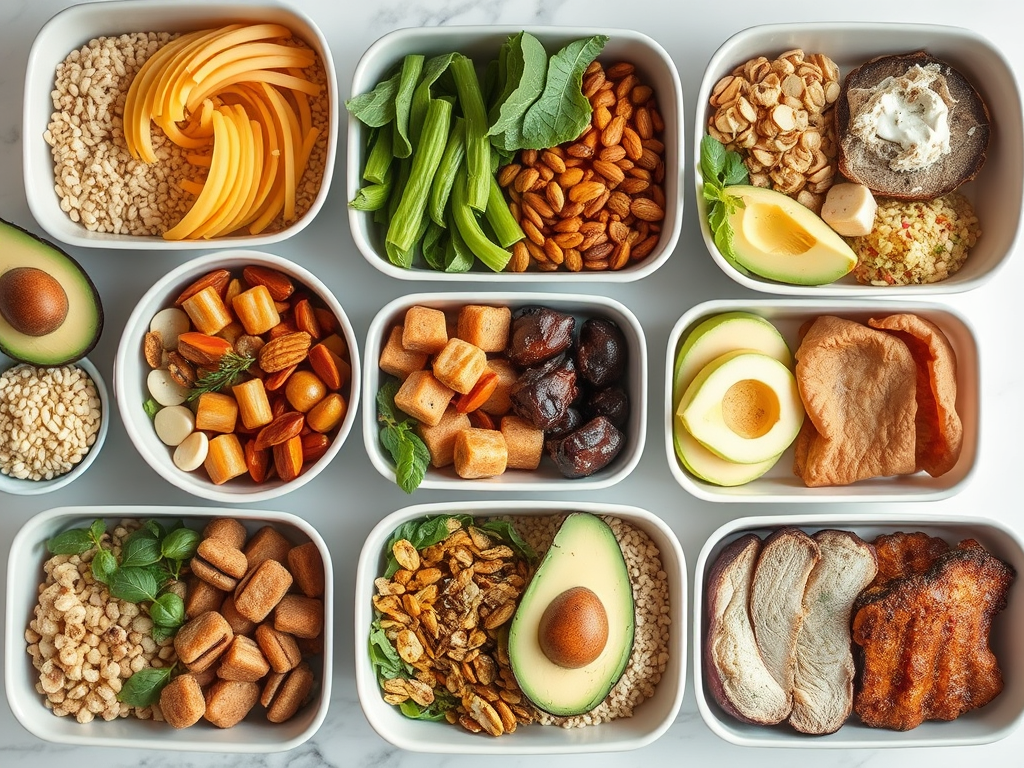

Understanding Nutrition Basics: Carbohydrates, Fats, and Proteins
Nutrition is a fundamental aspect of health, yet it’s often surrounded by confusion. Let’s break it down to the basics by exploring the three primary macronutrients: carbohydrates, fats, and proteins. Each plays a unique and vital role in keeping your body functioning optimally.
Carbohydrates: Your Body’s Main Energy Source
Carbohydrates are the body’s preferred fuel, broken down into glucose to provide energy for daily activities. They can be categorized into simple carbs (like sugar and refined grains) and complex carbs (like whole grains, fruits, and vegetables, think FIBER). While simple carbs can cause quick energy spikes, complex carbs provide sustained energy and essential nutrients.
Examples of complex carb sources:
- Whole grains (quinoa, brown rice, oats)
- Fruits (apples, berries, bananas)
- Vegetables (sweet potatoes, broccoli, spinach)
- Legumes (beans, lentils, chickpeas)
Fats: Essential for Energy and Cell Health
Fats are often misunderstood, but they are crucial for energy storage, hormone production, and cell structure (phospholipid bilayer, anyone?). Healthy fats, like unsaturated fats, support heart health, while trans fats and excessive saturated fats should be limited.
Examples of healthy
Examples of “good” or unsaturated fat sources:
- Avocados
- Nuts and seeds (almonds, chia seeds, walnuts)
- Olive oil and other plant-based oils
- Fatty fish (salmon, mackerel, sardines)
Proteins: Building Blocks of the Body
Proteins are essential for repairing tissues, building muscle, and supporting the immune system. Proteins are made up of amino acids, some of which some must be obtained through diet (essential amino acids). Balancing your protein intake across meals can help maintain energy and muscle health.
Examples of protein sources:
- Lean meats (chicken, turkey)
- Eggs
- Dairy products (milk, yogurt, cheese)
- Plant-based options (tofu, tempeh, lentils, beans)
Balancing Your Plate
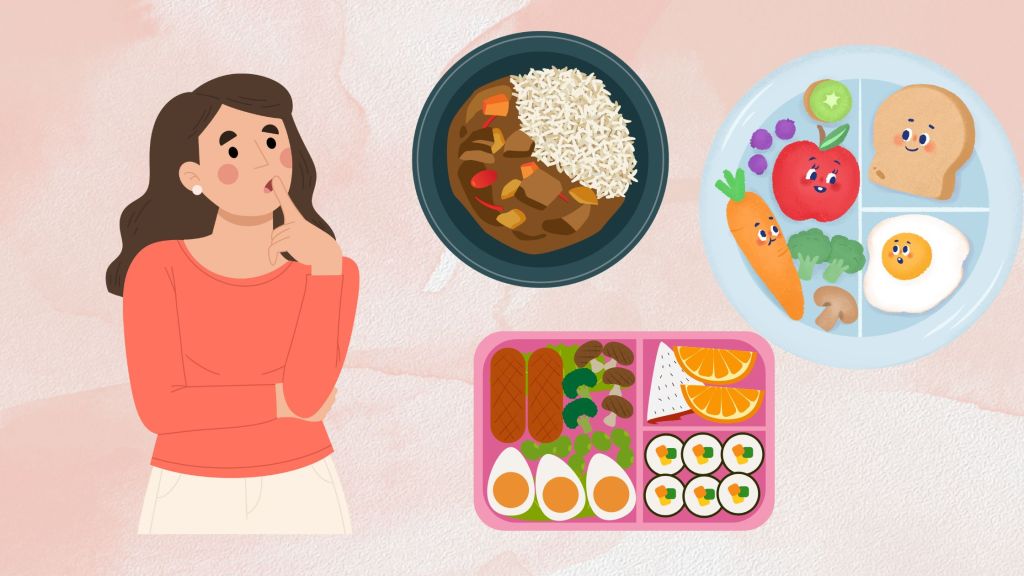
A balanced diet includes a mix of all three macronutrients, along with vitamins, minerals, and fiber. Use a simple approach like the “plate method”:
- Fill half your plate with vegetables and fruits.
- One-quarter with lean protein.
- One-quarter with whole grains or starchy vegetables.
One amazing resource for this would actually be MyPlate.gov!
Understanding the basics of carbohydrates, fats, and proteins empowers you to make informed food choices. By focusing on variety and balance, you can support your body’s needs and enjoy a vibrant, healthy lifestyle. If you want to learn more, book a session with me today!
Bye besties!
Julianne






 Full on Faith
Leave a comment