Breaking Free from Negative Self-Talk: Reclaim Your Self-Worth and Confidence

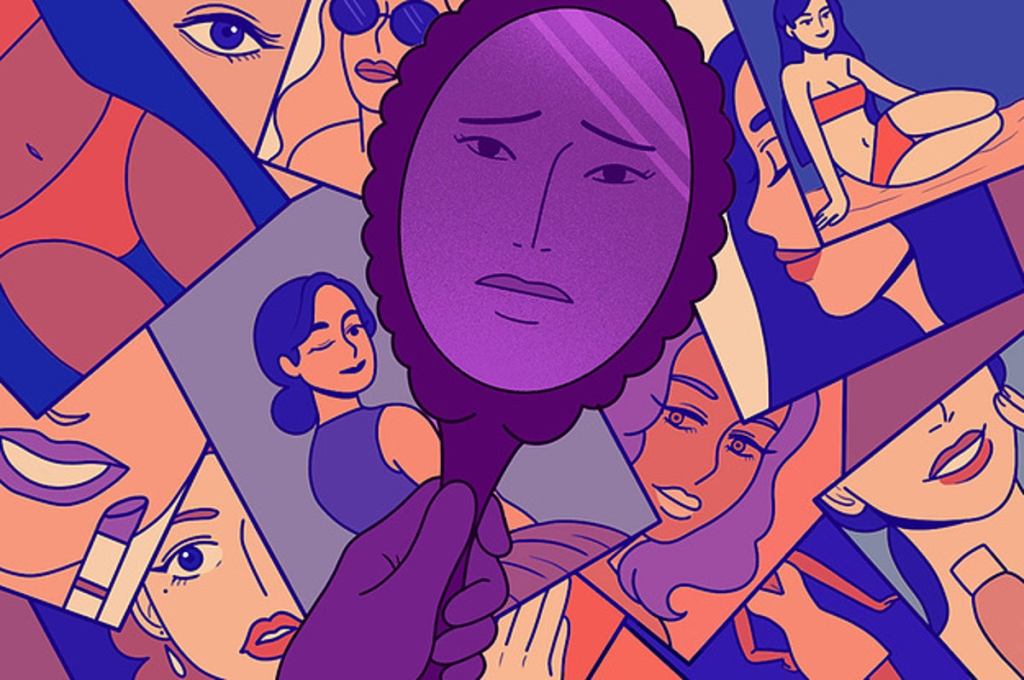
We live in a society that places a heavy emphasis on appearance, with media, advertisements, and even social media constantly pushing idealized images of what we “should” look like. It’s no surprise, then, that many of us struggle with negative self-talk when it comes to our bodies. Whether it’s about weight, shape, or the way we perceive ourselves in comparison to others, negative self-talk around appearance can be incredibly damaging!
The truth is, negative self-talk about our bodies isn’t just about vanity—it’s about self-worth. When we criticize our appearance, we’re often internalizing societal standards that are unrealistic, unattainable, or even unhealthy. But it’s possible to break free from this cycle and cultivate a healthier, more compassionate relationship with your body and self-image.
In this post, we’ll dive into how negative self-talk affects our perceptions of weight and appearance, how it can harm our mental and physical health, and most importantly, how to stop the cycle and start embracing yourself even if you aren’t happy about where you are.
What Is Negative Self-Talk About Appearance?
Negative self-talk about appearance often involves harsh, critical, or judgmental thoughts about our bodies. Common examples include:
- “I’m too fat.”
- “I’ll never be as slim as [insert name].”
- “I hate the way my arms/thighs/face look.”
- “I don’t look good in anything I wear.”
- “No one will ever find me attractive because of how I look.”
These thoughts can be automatic and deeply ingrained, often stemming from comparisons with others or from unrealistic beauty standards in the media. But while these thoughts may feel true at the moment, they don’t reflect your worth or value as a person.
The Impact of Negative Self-Talk About Weight and Appearance
When negative self-talk becomes a regular part of your inner dialogue, it can have a range of damaging effects:
- Lower Self-Esteem: Constantly criticizing your appearance can make you feel inadequate and unworthy. It can cause you to believe that your value is tied solely to how you look rather than who you are as a person.
- Mental Health Struggles: Negative thoughts about your body can contribute to anxiety, depression, and body dysmorphia. If you’re constantly focused on how you appear, it can create an unhealthy relationship with food, exercise, and self-image.
- Hindered Confidence: When you believe you’re not “good enough” because of your weight or appearance, it can prevent you from putting yourself out there in social situations, pursuing goals, or fully engaging in life. It can also affect your career, relationships, and personal happiness.
- Disordered Eating and Unhealthy Habits: In an effort to “fix” what you don’t like about your appearance, you might resort to restrictive diets, unhealthy exercise habits, or disordered eating patterns. These behaviors can be physically harmful and may worsen your relationship with food and your body.
- Unrealistic Comparisons: Constantly comparing yourself to others, especially to idealized or edited images of people in the media, can leave you feeling hopeless and inadequate. NO ONE’S BODY IS PERFECT, and most images we see are heavily filtered or altered.
How to Break Free from Negative Self-Talk About Weight and Appearance
The good news is that it’s possible to transform your relationship with your body and challenge these negative beliefs. Here are some strategies to help you break free from the cycle of negative self-talk about your appearance:
1. Identify and Challenge Your Thoughts
The first step is to become aware of when you engage in negative self-talk. Do you look in the mirror and immediately start criticizing yourself? Do you compare your body to others when scrolling through social media?
Once you’ve identified these patterns, challenge them:
- Is this thought based on reality, or is it a reflection of standards that don’t represent you? IE this person is able to go to the gym for 3 hours a day whereas you have 3 children who are all in sports so that is vastly out of reach for you.
- Are you comparing yourself to people whose images may have been altered or don’t reflect real-life diversity?
- What would you say to a friend who was speaking to themselves the way you’re speaking to yourself?! ( I wouldn’t)
For example, if you think, “I look awful today,” ask yourself, “What’s the evidence for that? Is there something specific I don’t like, or am I just feeling down in general?”
2. Reframe Your Thoughts with Compassion
Instead of accepting negative thoughts about your appearance, try to reframe them in a kinder, more compassionate light. It’s not about pretending everything is perfect—it’s about learning to be more forgiving and realistic.
For instance:
- Negative thought: “I’m too fat and ugly.”
- Reframed thought: “I may not look like the media’s beauty standards, but my body is strong, capable, and worthy of love just as it is.” Or even “God made me and I am reflected in His image, does that mean I disagree with God’s reflection?”
The goal is to shift from a harsh self-judgment to self-neutrality You don’t have to love every part of yourself immediately, but try to appreciate your body for what it can do, rather than just how it looks. This will help you to see that life is not all about appearances and then you will stop gradually thinking about it less and less it becomes easier with time.
3. Practice Body Neutrality, Not Perfection
Body neutrality is the idea that we don’t need to love or hate our bodies, but instead, we can learn to accept and appreciate them for what they are. Rather than focusing solely on your appearance, try to focus on how your body helps you experience life:
- It allows you to dance, walk, hug, and interact with the world.
- It carries you through the ups and downs of life.
- It enables you to enjoy good food, great conversations, and moments of joy.
The focus is on neutrality and functionality rather than aesthetic perfection.
4. Let Go of Comparisons
Comparing your body to others is one of the quickest ways to fuel negative self-talk. Remember, everyone’s body is different, and what works for one person may not work for you. Social media often showcases filtered or curated images, which only represent a small fraction of someone’s life.
Start curating your social media feeds to not follow someone for “fitspo” or someone that you want to look like one day! Why would you want to be them, when you are already you! Follow things that you actually enjoy their content and not just for the life you”could be living” that’s silly!
5. Shift Your Focus to Health and Well-Being
Instead of focusing on weight or appearance as a measure of worth, shift your focus to health—both physical and mental. Engage in activities that make you feel strong, energized, and happy. This could be anything from yoga, to walking in nature, to dancing, or even practicing mindfulness and self-care.
When you start focusing on feeling good, rather than just looking a certain way, you’ll notice a shift in how you view your body. Health is holistic and includes emotional well-being, mental peace, and feeling good in your skin.
6. Affirm Your Worth Beyond Appearance
Affirmations aren’t just for positive thinking—they’re a way to ground yourself in the truth of who you are, beyond how you look. Repeat to yourself:
- “I am worthy of love and respect, no matter what I look like.”
- “My worth is not defined by my weight or appearance.”
- “I am enough as I am, right now.”
- “I choose to honor my body for all it does for me.”
You might not believe these affirmations at first, but the more you practice, the more you’ll begin to internalize them and feel their truth. And i know it sounds so silly, but these really will help you to realize that you are not just your weight or negative self image.
Conclusion: Embrace Your Unique Self
Breaking free from negative self-talk about your weight and appearance isn’t about trying to conform to society’s unrealistic standards—it’s about embracing the reality that you are enough as you are. Your worth is not tied to the number on the scale or the way you look in a picture. You are worthy of love, respect, and happiness simply because you exist.
By challenging your negative self-talk, practicing self-compassion, and focusing on your health and well-being, you can begin to shift your mindset and form a healthier relationship with your body. It takes time, but every small step you take toward self-acceptance brings you closer to the freedom of loving yourself, just as you are.
You are more than your appearance—never forget that. You’ve got this!
Bye Besties!
Julianne






 Full on Faith
Leave a comment