Removing the Morality from Food: Why Eating Shouldn’t Be a Moral Dilemma

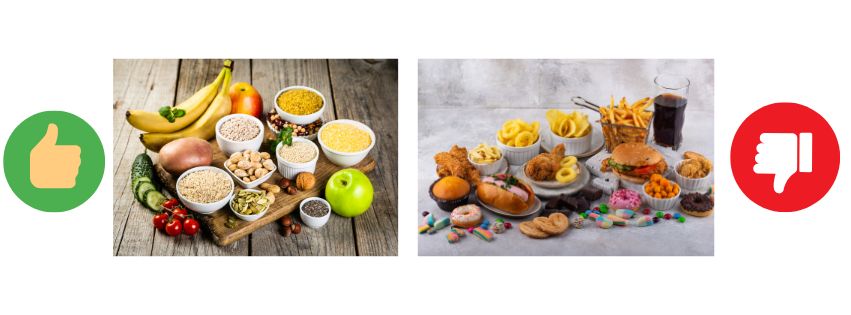
You’ve done it, I’ve done it. We have all done it at one time or another, “No that’s bad food *pointing at a doughnut*, I can’t be bad today.” Food is an essential part of our daily lives, not only as fuel for our bodies but also as a source of cultural identity, social connection, and pleasure. Yet, over time, the way we talk about and relate to food has become entangled with moral judgments. Terms like “good” food and “bad” food, “healthy” and “unhealthy,” or the idea of “cheating” on a diet, all carry a weight that extends beyond mere nutrition. We’ve turned eating into an ethical decision, creating an environment where food is often seen as a moral battleground. But what if we removed the morality from food altogether? What would happen if we could view food simply as sustenance, a source of pleasure, or an expression of culture, rather than a reflection of our moral character?
Let’s take a look at how this shift in perspective could benefit our health, mental well-being, and relationship with food!
The Problem with Morality and Food
The problem begins when we start attaching moral labels to the food we eat. Many of us have experienced the guilt that comes from indulging in something considered “bad”—whether it’s a slice of cake, a bag of chips, or a fast-food meal. We label certain foods as “evil” or “sinful,” reinforcing the idea that eating them is morally wrong. This mindset creates shame and anxiety around food, which can lead to unhealthy relationships with eating and our bodies.
The Dangers of Moralizing Food Choices
- Food Guilt and Shame: When we classify food as “good” or “bad,” we start to internalize these labels. If we eat something that is deemed “bad,” we may experience guilt, shame, or even self-punishment. This can lead to a cycle of restriction and overeating, where we attempt to “make up” for indulging by drastically cutting back on food or engaging in extreme dieting behaviors. I’ve done it plenty of times I eat 2 cookies instead of 1 and then the next day I decide it’s a good idea to skip breakfast then I am starving at lunch and then overeat at lunch and the cycle continues.
- Dieting and Restrictive Eating: Moralizing food often leads to restrictive dieting practices, where certain foods are completely off-limits. This can trigger a sense of deprivation, making us crave the very foods we’re trying to avoid. Over time, this can contribute to disordered eating patterns, such as binge eating, compulsive overeating, or developing an unhealthy obsession with food.
- Mental Health Impact: The constant mental juggling of what’s “good” or “bad” for us can lead to increased stress and anxiety. When food becomes a source of moral conflict, it can cause unnecessary mental strain. If we continue to link our worth to the foods we eat, we risk developing a negative body image and a distorted relationship with food.
- Lack of Joy and Pleasure: Food should bring joy, satisfaction, and connection, but when we treat it like a moral dilemma, we rob ourselves of these pleasures. It’s easy to forget that eating is meant to nourish us, both physically and emotionally, and should be a source of enjoyment. The focus on nutrition or ethics can sometimes overshadow the simple joy of sharing a meal with friends or enjoying a favorite dish. How many times have you noticed yourself instead of being present with yourself or who you are with, worried about what you are eating and how you are going to correct the situation later? It’s not fun and it’s not an easy habit to change but it is possible!
A New Way of Thinking: Food Without Morality
Removing the morality from food doesn’t mean abandoning healthy eating habits or ignoring the environmental and ethical implications of our food choices. Rather, it’s about shifting our perspective to one that recognizes food as a neutral element—a source of sustenance and enjoyment rather than something that defines our moral character.
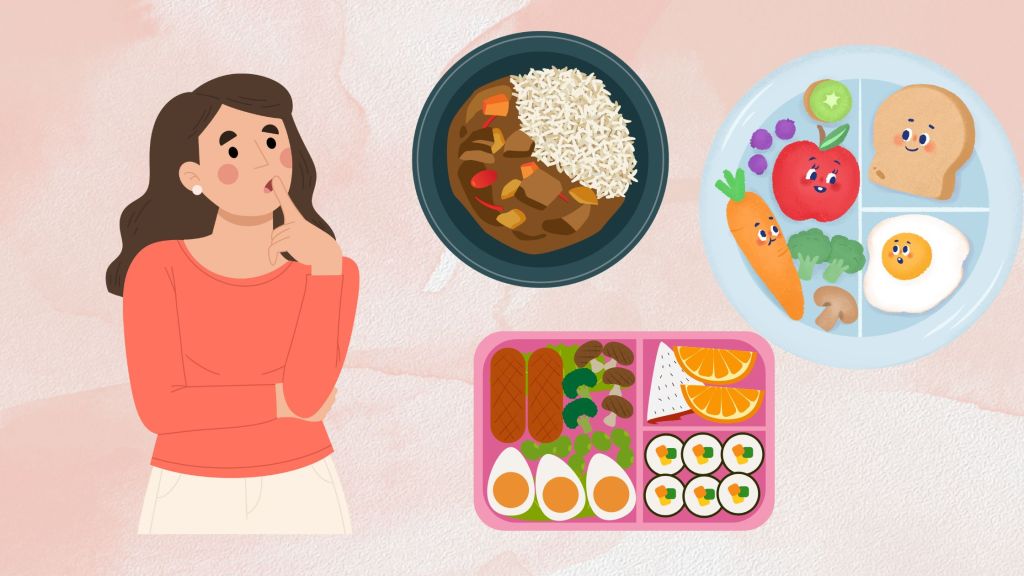
Here are a few ways to begin detaching morality from food:
1. Embrace Food as Neutral
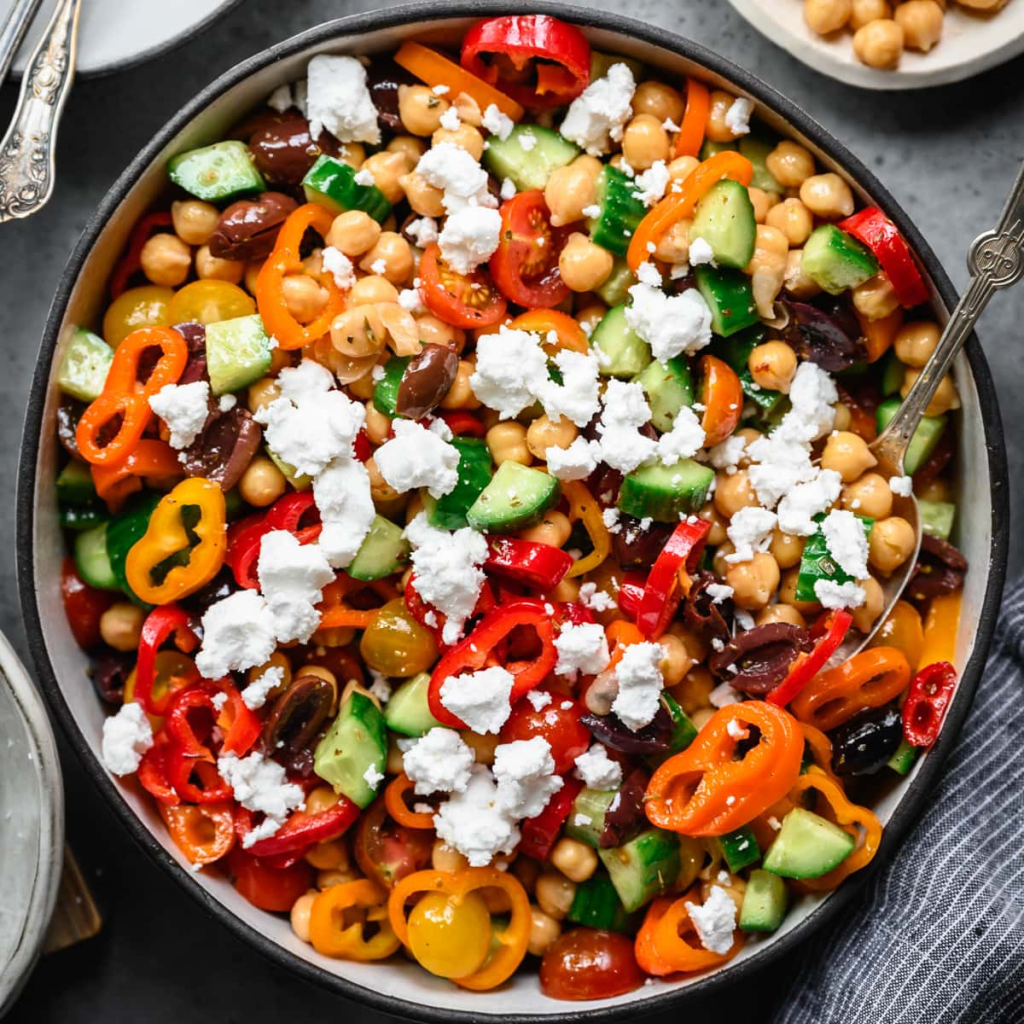
Instead of thinking of food in terms of “good” or “bad,” consider it in terms of “nourishing” or “not nourishing,” based on how it makes you feel physically and emotionally. Every food has a place in our diets, and enjoying a variety of foods—whether they are nutrient-dense or not—can help cultivate a balanced and more relaxed relationship with eating. It’s also okay to avoid certain foods because you know that that food might be a trigger for you? It’s like having a bowl candy out and expecting yourself to not grab a piece everytime you go by. THAT’S not sustainable my dudes and it’s not the foods fault. Just maybe not have a bowl of candy out.
2. Challenge Food Rules and Labels
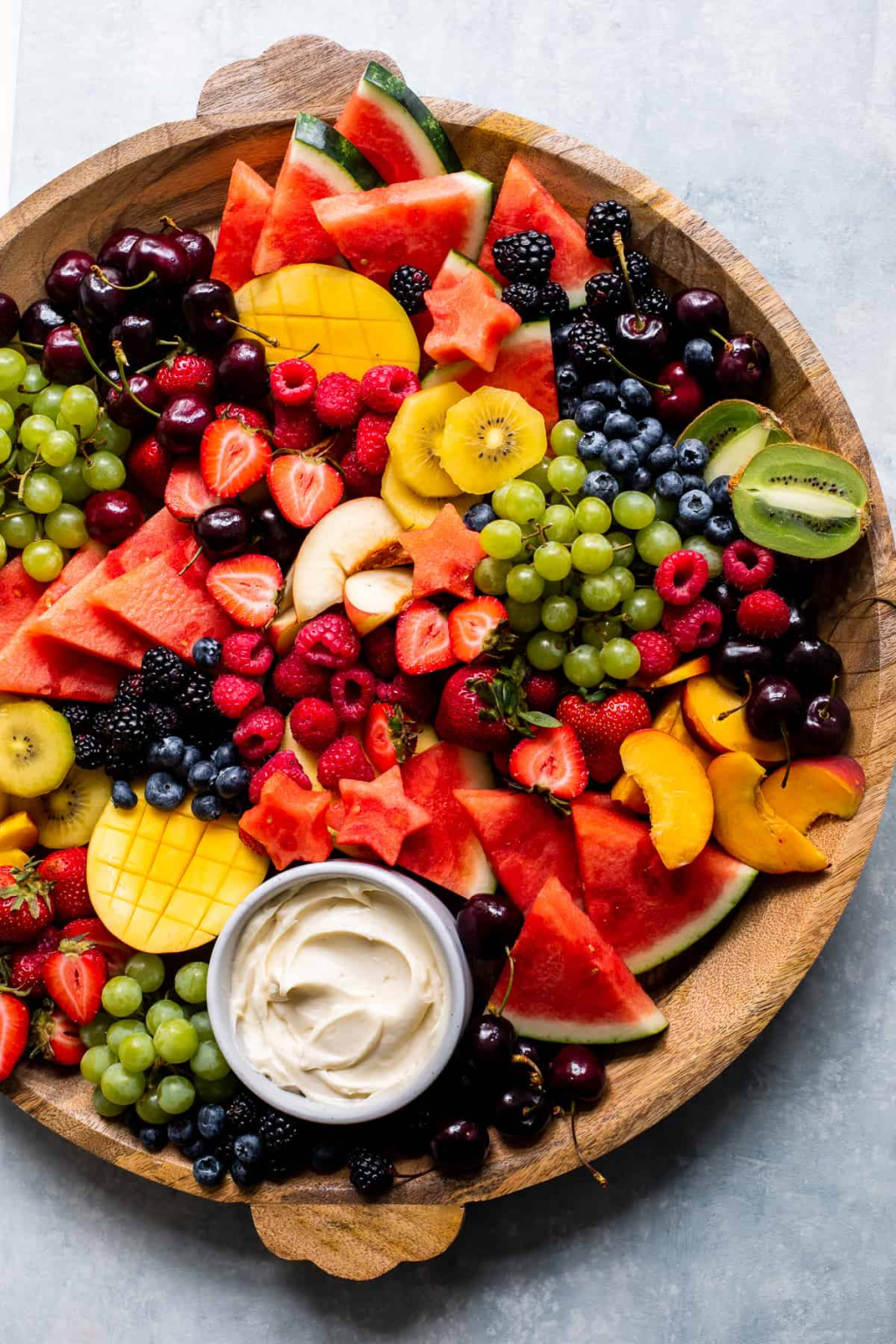
Ask yourself: why do you call certain foods “bad”? Often, these labels come from external sources—media, diet culture, or societal pressures. Challenge these ideas and focus on how food makes you feel rather than categorizing it. No single food should carry a moral judgment, and no meal should be seen as a test of willpower. Like why is a banana bad and an apple okay to eat? Because one has more fiber than the other? Why are you scared of fruit?
3. Practice Mindful Eating
Mindful eating encourages being present with your food and paying attention to your body’s hunger cues. This practice allows you to enjoy food without guilt, recognizing that eating is a natural and essential part of life. Mindful eating focuses on enjoyment, satisfaction, and self-care rather than adhering to strict food rules or moral judgments.
4. Focus on Health, Not Perfection
When we view food as a moral decision, we often feel compelled to pursue perfection in our diets. Instead, focus on balance. Nourishing your body with a variety of foods—some more nutritious, some more indulgent—will promote overall health without requiring rigid rules. Health isn’t about being perfect; it’s about feeling good and treating yourself with compassion.
5. Be Kind to Yourself
If you choose to indulge in something you’ve labeled “bad,” do so with kindness. Remember that eating isn’t a moral issue—it’s a part of life. No single meal or food choice defines your worth. Be gentle with yourself and release the need for perfection or self-punishment. Treat food with respect and enjoy it for what it is: a means of nourishment and enjoyment. Sometimes you want the reese’s sonic blast and you go get one.
6. Consider Environmental and Ethical Choices Without Moralizing
It’s entirely possible to make ethical food choices without attaching morality to the act of eating. Being mindful of the environmental impact of your food, supporting sustainable farming practices, or choosing to reduce food waste can be important aspects of your food choices, but it doesn’t need to be a source of guilt. Focus on making thoughtful decisions that align with your values, rather than placing unnecessary pressure on yourself.
Conclusion: Reclaiming Your Relationship with Food
Removing the morality from food is about reclaiming a healthy, balanced, and guilt-free relationship with eating. It’s about recognizing that food is neither a moral reward nor punishment, but a tool for nourishing your body, mind, and soul. By shifting away from restrictive labels and embracing a more neutral perspective, we can cultivate a greater sense of freedom around food, enhance our mental health, and experience eating as a joyful and sustainable practice.
So, the next time you sit down to a meal, remember: food is not a reflection of your moral worth. It’s just food—an essential, enjoyable, and nourishing part of life. Eat with kindness, without judgment, and embrace the diversity of flavors and experiences food has to offer.
Bye Besties,
Julianne



 Full on Faith
Leave a comment